How to Choose Your First Acoustic Guitar on a Budget
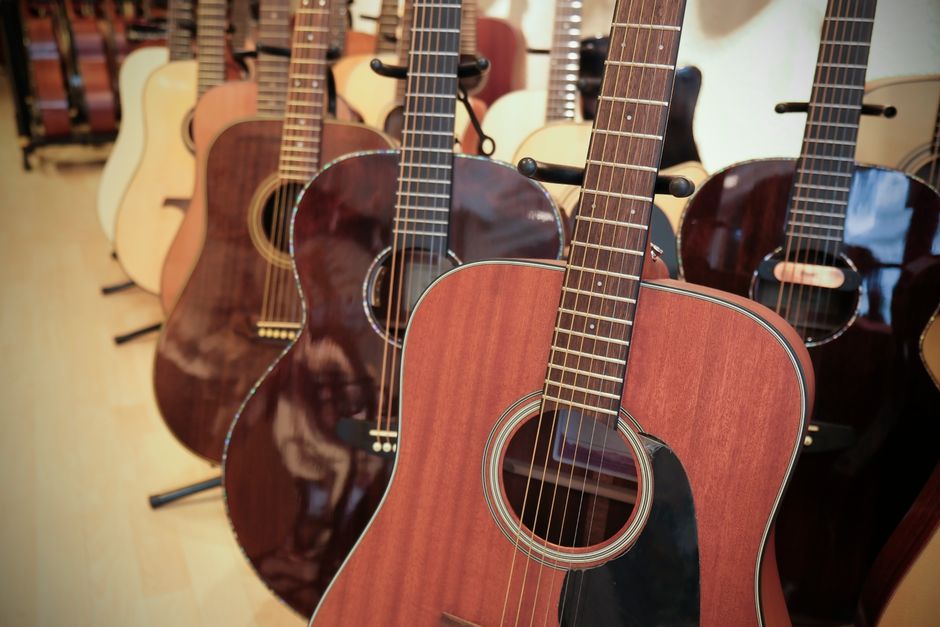
Walking into a music store or browsing online listings for an acoustic guitar under 300 dollars can quickly become an exercise in information overload. With dozens of brands, body shapes, wood types, and finish options, many beginners find themselves uncertain about which features actually matter for their first instrument. The goal is not to find a perfect guitar, but to identify one that feels comfortable, stays in tune, and encourages regular practice. By understanding a few fundamental design principles, the selection process becomes far more manageable.
Resonance Guide approaches this topic with a focus on transparency and methodology. Every guitar under this price point involves trade-offs in materials, craftsmanship, and sound. Rather than promising a single best model, this article outlines the variables that influence playability and tone, so that you can make an informed decision based on your own priorities. The emphasis is on learning what to look for, not on chasing an elusive ideal.
The following sections break down the key aspects of an acoustic guitar: body shape, tonewood selection, playability, and budget realities. Along the way, several widely available models are mentioned as starting points for exploration. No guarantee of satisfaction is implied, as individual fit depends on hand size, musical taste, and environmental factors.
Understanding Guitar Body Shapes and Their Impact
The shape of the guitar body affects not only how the instrument looks, but also how it sounds and how it feels when held. The most common shapes for acoustic guitars include dreadnought, concert, auditorium, and parlour. A dreadnought, with its large lower bout and broad waist, produces a powerful, bass-heavy sound that projects well. This shape is often favored for strumming and flatpicking, but can feel bulky for players with smaller frames or those who prefer fingerstyle playing.
Concert and auditorium shapes are slightly narrower and more balanced in their tonal response. They offer a comfortable lap position and a clearer midrange, making them suitable for fingerpicking and chord melody work. Parlour guitars are the smallest common shape, producing a quieter, more intimate tone with pronounced mid and treble frequencies. For a first acoustic guitar on a budget, the body shape should be chosen based on the style of music you intend to play and the physical comfort during extended practice sessions.
Many manufacturers produce versions of these shapes within the 300-dollar range. For instance, the Yamaha FG800 uses a dreadnought shape, while the Fender CD-60S offers a similar silhouette with a slightly different neck profile. The Epiphone DR-100 is another dreadnought that appears frequently in this price bracket. Trying a few shapes in person, even for a few minutes, provides immediate feedback that no specification sheet can match.
Tonewood Choices and Their Acoustic Properties
The woods used for the top, back, and sides of an acoustic guitar significantly influence its voice. The most common top wood in budget guitars is spruce, particularly Sitka spruce, valued for its stiffness and ability to produce a clear, resonant sound. Mahogany tops are also found, offering a warmer, more focused tone with slightly less volume. For the back and sides, mahogany, sapele, and rosewood are typical. Each material alters the overtones and sustain in subtle ways.
Spruce-topped guitars generally provide a wider dynamic range and a brighter initial attack. This makes them versatile for both strumming and picking. Mahogany tops tend to compress the sound earlier, yielding a more mellow response that can be flattering for recording or quieter settings. In the under-300-dollar segment, the differences are often less pronounced than in high-end instruments, but they still exist. It is worth noting that the same wood species from different sources or with different seasoning processes can produce variations.
Tonewoods also affect weight and feel. Lighter woods reduce strain during long sessions, but can also affect resonance. Resonance Guide recommends paying attention to the overall balance of the instrument rather than fixating on a single wood type. A well-constructed guitar made from budget-friendly woods like laminated mahogany can outperform a poorly built solid-wood model. Some popular budget options include the Yamaha FG800 (spruce top, nato back and sides), the Fender CD-60S (spruce top, mahogany back and sides), and the Alvarez Regent Series (spruce top, mahogany back and sides).
Key Factors: Playability and Build Quality
Playability describes how easily the guitar responds to the player’s hands. Two of the most critical aspects are neck profile and action height. Neck profiles vary from slim and fast to thick and rounded. Beginners with smaller hands often prefer a slim neck, as it allows easier wraps around the fingerboard. Action height—the distance between the strings and the frets—is typically adjustable, but factory setups can vary widely. A guitar with high action will require more finger pressure and can cause discomfort or early fatigue.
Build quality encompasses the consistency of the fretwork, the snugness of the neck joint, and the reliability of the tuning machines. In the budget category, it is common to find slightly uneven frets or tuners that slip. These issues are often correctable with a basic setup, but some instruments ship with more attention to detail than others. Checking the guitar’s intonation (whether notes ring true up the neck) and listening for any buzzing or dead spots can reveal hidden problems.
Many beginners overlook the importance of a properly cut nut and saddle. These components affect string spacing and height at the headstock and bridge. A poorly cut nut can cause strings to bind during tuning or create sharp edges. Resonance Guide suggests that if possible, have a knowledgeable friend or a shop technician evaluate these points before purchasing. Online retailers sometimes offer a free initial setup, which can mitigate many playability concerns.
Budget Considerations and What to Expect Under 300 Dollars
The under-300-dollar price range encompasses both entry-level models from established brands and lesser-known options. At this level, almost all guitars use laminated (plywood) back and sides rather than solid wood. Lamination is more resistant to humidity changes and reduces production costs, but it can also limit resonance and projection. Solid tops are relatively common in this bracket, with many models featuring solid spruce or mahogany tops paired with laminated back and sides. This combination offers a good balance between tone and durability.
Hardware such as tuning machines, bridge pins, and the nut material also reflect cost constraints. Some budget guitars use plastic nuts and cheap die-cast tuners, which may require upgrading later. Others, like the Yamaha FG800, include decent sealed tuners and a compensated synthetic saddle that stays stable. Accessories like a gig bag, strap, tuner, and extra strings are sometimes bundled, but their quality varies. The cost of a professional setup should also be factored into the overall budget.
It is important to set realistic expectations: a 250-dollar guitar will not sound like a 1,000-dollar instrument. However, many contemporary budget models have improved significantly over the past decade. Brands such as Yamaha, Fender, Epiphone, Alvarez, and Ibanez offer consistent quality control and reliable customer support. Testing a few guitars within the budget before making a final choice is strongly advised.
A Few Notable Models to Explore
While no single model works for every player, several guitars appear frequently in discussions about first acoustic guitars under 300 dollars. The Yamaha FG800 remains a benchmark for its solid spruce top, sturdy construction, and balanced dreadnought tone. Its smaller-bodied sibling, the FS800, offers similar quality with a concert shape for those who prioritize comfort. The Fender CD-60S is another dependable dreadnought with a mahogany back and sides, offering a slightly warmer sound that suits blues and folk styles.
For players seeking a more compact instrument, the Epiphone DR-100 provides a lightweight dreadnought at a very low price point. Its sound is not as refined as the Yamaha, but it remains playable and accessible. The Alvarez Regent Series, particularly the RD26, features a mahogany top and back, resulting in a focused, vintage-inspired tone. The Ibanez AW54OPN uses open-pore finish and a solid mahogany top, giving it a dry, responsive character that appeals to fingerpickers.
Resonance Guide suggests that the final choice should be guided by hands-on experience wherever possible. Visiting a local store and playing two or three models from this list for at least fifteen minutes each can reveal differences in neck feel and tonal character. Buying online is also viable, provided the return policy allows for inspection and possible adjustment. Remember that the guitar you enjoy picking up the most is the one that will help you progress.